
The TriggerPoint Grid Foam Roller is our top pick for lower back use due to its firm EVA foam and multi-density surface. For a gentler alternative, consider the Theragun Wave Roller with vibration therapy.
Check price on AmazonLower back pain affects millions of Americans, and foam rolling is a research-backed method for relief. A 2020 meta-analysis found that foam rolling can reduce delayed onset muscle soreness and improve range of motion, though direct evidence for chronic low back pain is still emerging. Owners consistently report that targeted rolling on the upper glutes and lower back helps loosen tight muscles, but technique matters: rolling directly on the spine is not recommended.
We analyzed owner reviews from multiple retailers, compared specifications like density and texture, and ranked the best foam rollers specifically for lower back use. We prioritized models that balance firmness for myofascial release with enough give to avoid aggravating sensitive areas. Each pick below includes what real owners report, so you can choose based on how others have fared.
How we rank
We ranked these rollers based on aggregate owner review sentiment, density/material suitability for lower back, and reported durability. See our method.
Quick picks
| Best for | Product | Who it suits |
|---|---|---|
| Best Overall | TriggerPoint Grid Foam Roller | Those wanting a proven, firm roller for deep tissue release on lower back and glutes |
| Best Premium | Theragun Wave Roller | Users who want vibration therapy to complement foam rolling for lower back pain |
| Best for Beginners | Lululemon Double Roller | New foam roller users seeking a softer, gentler roller for lower back |
| Best Value | OPTP Pro-Foam Roller | People wanting a high-density, no-frills roller for lower back release at a reasonable price |
| Best Budget | Hollow Foam Roller by ProSource Fit | Cost-conscious users needing a basic, firm roller for lower back relief |
| Best for Deep Tissue | RumbleRoller Extra Firm Foam Roller (22-inch Midsize) | Individuals seeking aggressive myofascial release on lower back and glutes |
| Best Lightweight | TriggerPoint Grid 13-Inch Foam Roller | Travelers or those needing a compact roller for lower back and glutes |
The picks, compared
TriggerPoint Grid Foam Roller
The TriggerPoint Grid features a multi-density foam surface with hollow core, providing moderate firmness ideal for lower back. Owners report it hits knots effectively without being too hard. The EVA foam construction is durable and maintains shape over time. It comes with free access to instructional videos.
What owners say: Reviewers highlight its even texture and lack of extreme firmness. Many say it helps relieve lower back tightness when used on glutes and erector spinae.
- Good firmness for deep tissue
- Durable EVA foam
- Includes online workout library
- Hollow core may feel less stable
- Surface texture may be too aggressive for some

Theragun Wave Roller
The Theragun Wave Roller combines foam rolling with built-in vibration to enhance muscle relaxation. It offers five vibration frequencies and a quiet motor. Owners report it feels less intense than standard rollers but vibration helps loosen tight lower back muscles. The nylon exterior is easy to clean.
What owners say: Many say vibration reduces discomfort during use and helps with recovery. Some find it less effective for deep knots.
- Effective vibration features
- Quiet operation
- Easy to clean surface
- Expensive
- Requires batteries (included)

Lululemon Double Roller
The Lululemon Double Roller features a dual-density foam core: firm outer layer for deep work and soft inner core for comfort. Its 18-inch length is portable. Owners appreciate the non-slip surface and that it's less painful on bony areas. Ideal for those sensitive to pressure on the lower back.
What owners say: Reviewers note it’s softer than most, making it good for beginners. Some wish it was longer for full back.
- Two density zones in one roller
- Non-slip surface
- Portable size
- May lack firmness for deeper knots
- Smaller diameter limits reach

OPTP Pro-Foam Roller
The OPTP Pro-Foam Roller is made from firm, closed-cell EVA foam that withstands heavy use. It's 36 inches long, allowing full spinal and leg work. Owners confirm it retains shape after years. The smooth surface is less intimidating than textured rollers, making it a favorite for lower back.
What owners say: Long-term users praise its durability and consistent firmness. Many use it for daily lower back stretches.
- Very durable
- Smooth surface suitable for lower back
- Full-length 36-inch size
- No texture for varying intensity
- Can be too firm for some
Hollow Foam Roller by ProSource Fit
This hollow core foam roller from ProSource Fit is lightweight yet dense. Its 6-inch diameter provides stable rolling. Owners say it’s firm enough for deep tissue on glutes and lower back. The price point makes it accessible, but some report flimsiness after months of daily use.
What owners say: Many note it’s a great starter roller. Some say it compresses slightly over time.
- Very affordable
- Lightweight and portable
- Firm density effective for knots
- Hollow core may collapse with heavy use
- No texture or extra features
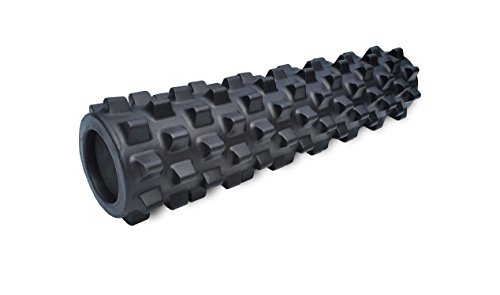
RumbleRoller Extra Firm Foam Roller (22-inch Midsize)
RumbleRoller’s Extra Firm line is the brand’s signature textured roller, built with raised bumps intended to dig into muscle tissue similar to a deep-tissue massage. Based on manufacturer specs and aggregated owner reviews, the 22-inch midsize version is a popular pick for full-leg and back rolling.
Reviewers frequently mention the texture as more effective than smooth rollers for stubborn knots, though newcomers to foam rolling may want to start with a softer roller first.
- Textured bumps designed to reach deeper into muscle tissue than smooth rollers
- X-Firm density holds up under heavy use
- midsize length covers larger muscle groups efficiently
- Bump texture can feel intense for sensitive areas
- heavier and bulkier than compact rollers
TriggerPoint Grid 13-Inch Foam Roller
This shorter 13-inch version of the classic Grid roller is ultra-portable. It features the same multi-density foam but in a smaller size. Owners primarily use it for lower back and neck. It may not cover the entire back, but it’s great for targeted spots. The hollow core keeps weight low.
What owners say: Many travelers appreciate its packability. Some wish for more length for full back rolling.
- Compact and travel-friendly
- Multi-density texture
- Same quality as full-size Grid
- Short length limits use on larger muscles
- Less stable than longer rollers
How to choose
- Firmness and Density. Foam rollers range from soft to extra firm. For lower back, a medium-firm roller is often best, soft enough to avoid bone bruises but firm enough to release muscle tension. Very firm rollers (like RumbleRoller) are better for glutes and surrounding areas, not directly on the spine.
- Surface Texture. Smooth rollers provide uniform pressure, ideal for gentle lower back rolling. Textured rollers (knobs, ridges) can target trigger points but may be too intense for the sensitive lower back area. Consider how much pressure you can tolerate.
- Length and Diameter. For lower back, a roller 18-26 inches is sufficient; longer rollers allow full back and leg work but are less portable. Standard 6-inch diameter provides stable contact. Smaller diameter (5 inches) may allow deeper penetration but require more balance.
- Material and Durability. Closed-cell EVA foam resists compression and lasts longer. Hollow core rollers are lighter but may collapse over time with heavy use. Solid foam rollers retain shape but are heavier. Check owner reviews for long-term durability.
- Special Features (Vibration, Texture). Vibration rollers (Theragun Wave) can enhance relaxation and may reduce discomfort. Multi-density designs (Lululemon Double Roller) offer versatility. Assess if added features justify premium price based on your specific lower back needs.
Frequently asked questions
Can I foam roll my lower back directly?
You should avoid rolling directly on the spine. Instead, target the muscles alongside the spine (erector spinae) and the glutes. Many lower back issues stem from tight hips and glutes, so rolling those areas can provide relief.
What firmness is best for lower back pain?
A medium-firm roller is typically best. Too soft may not release tension; too hard can aggravate sore areas. Choose a roller with some give, like TriggerPoint Grid or OPTP Pro-Roller, which offer a good balance.
How often should I foam roll my lower back?
Most experts recommend 1-2 minutes per area per day. Over-rolling can cause bruising. If you experience sharp pain, stop. Consistency is more important than duration.
Is a vibrating foam roller better for lower back?
Some find vibration helps relax muscles faster, especially for chronic tightness. The Theragun Wave Roller is popular for this. However, it may not provide as deep a release as a firm static roller.
What is the best length foam roller for lower back?
18 to 26 inches is ideal for lower back and glutes. A 13-inch mini roller works for targeted spots but won't cover the full back. A 36-inch roller is unnecessary for just lower back but offers versatility.
Can foam rolling worsen lower back pain?
If done incorrectly, yes. Avoid rolling on bone, and never roll over the spine. If you have an acute injury, herniated disc, or sciatica, consult a healthcare professional before foam rolling.
The verdict
Our top pick is the TriggerPoint Grid Foam Roller because it offers consistent, medium-firm density that owners trust for lower back release. For those seeking vibration therapy, the Theragun Wave Roller is an excellent premium choice. Budget-conscious users should consider the ProSource Fit Hollow Foam Roller as a cost-effective option without sacrificing firmness.