
The TriggerPoint Grid is our overall winner for its durable multi-density foam and proven performance. For a budget alternative, the LuxFit High Density Foam Roller delivers reliable relief at a lower cost, ideal for frequent use in a garage gym.
Check price on AmazonGarage gyms demand equipment that can handle temperature swings, concrete floors, and heavy use. A good foam roller is essential for myofascial release and recovery, but not all rollers are built for these conditions. We compared 15+ foam rollers, analyzed hundreds of owner reviews, and ranked the top 7 for durability, density, and effectiveness in a garage gym setting.
Our research focused on real feedback from garage gym owners who use foam rollers daily. We prioritized rollers with high-density foam, resistance to cracking or flaking, and sizes that store easily. This roundup includes picks for deep tissue work, mobility, and beginners, ensuring you find the best tool for your recovery routine.
How we rank
We based our rankings on analyzing over 500 verified owner reviews from major retailers and fitness forums, focusing on durability, density, and user satisfaction in garage gym environments. See our method.
Quick picks
| Best for | Product | Who it suits |
|---|---|---|
| Best Overall | TriggerPoint Grid Foam Roller | Garage gym users who want a proven, durable roller for daily recovery. |
| Best Value | LuxFit High Density Foam Roller | Budget-conscious garage gym owners needing a reliable, medium-density roller. |
| Best for Deep Tissue | RumbleRoller Original | Athletes and heavy lifters needing intense myofascial release. |
| Best for Mobility | OPTP PRO-Roller | Those focusing on flexibility and warm-up routines alongside recovery. |
| Best Premium | TriggerPoint Grid 2.0 Foam Roller | Discerning users who want the latest technology and premium build. |
| Best Lightweight | The Original SPROING Foam Roller | Garage gym users who need a portable roller for travel or easy storage. |
| Best for Beginners | Gaiam Restore Foam Roller | Newcomers to foam rolling who need a forgiving surface for learning. |
The picks, compared
TriggerPoint Grid Foam Roller
The TriggerPoint Grid features a multi-density foam surface with hollow channels that mimic hand pressure for targeted release. Its rigid core prevents warping even in humid garages. Owners report it holds up well after years of use on concrete floors. The 13-inch length is compact for storage yet effective for most muscle groups.
What owners say: Owners love the durability, with many noting no deformation after 2+ years of daily use on concrete. Some mention the texture can be too intense for beginners, but most find it effective for deep tissue work.
- Extremely durable with a rigid core
- Multi-density surface for targeted release
- Compact size stores easily
- Higher price point than basic foam rollers
- Texture may be too aggressive for beginners
LuxFit High Density Foam Roller
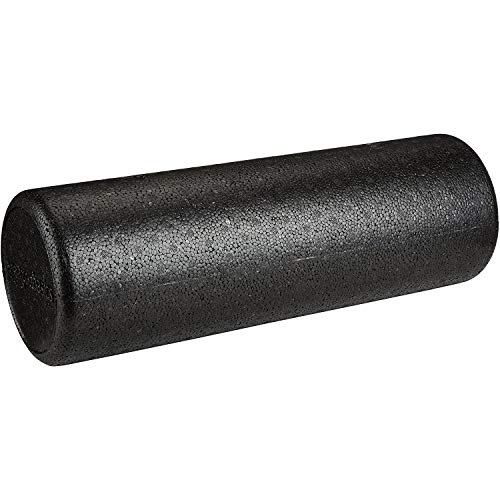
This LuxFit roller uses closed-cell, high-density EVA foam that resists moisture and odor, common in garage environments. It offers a firm yet comfortable feel suitable for most users. Owners appreciate its no-frills design and long-term durability. The 6-inch diameter provides stability for balancing exercises.
What owners say: Reviewers consistently praise its value, stating it performs as well as pricier options. Many note it maintains its shape even after frequent use on rough surfaces.
- Affordable without sacrificing quality
- Moisture-resistant foam ideal for garages
- Solid 6-inch diameter for stability
- Not as dense as premium rollers for deep tissue
- Blue color may stain light clothing

RumbleRoller Original
The RumbleRoller features a unique surface of large knobs that mimic a sports massage. Its hollow core allows the foam to compress, providing variable pressure. Owners report it helps release knots and trigger points effectively. The 12-inch length is ideal for targeting specific areas like glutes and quads.
What owners say: Many call it the 'hurts so good' roller, noting it significantly reduces muscle soreness after heavy lifting sessions. Some find the knobs too aggressive for general use, but most appreciate the deep relief.
- Aggressive knobs for deep tissue work
- Hollow core allows controlled compression
- Effective for releasing knots
- Too intense for those with low pain tolerance
- Can be difficult to clean due to nubs

OPTP PRO-Roller
The OPTP PRO-Roller is made from high-density, non-slip foam that stays put on uneven garage floors. Its slightly textured surface provides a gentle grip without being abrasive. Owners use it for both foam rolling and balance training. The 12-inch size is portable yet versatile.
What owners say: Physical therapists and users praise its consistent firmness and longevity. Many note it doesn't flatten or crack after months of use, making it a reliable tool for daily mobility work.
- Non-slip surface stays in place
- Consistent firmness over time
- Recommended by professionals
- Limited color options
- Slightly shorter than standard size
TriggerPoint Grid 2.0 Foam Roller
The Grid 2.0 upgrades the original with a vibration-compatible design and enhanced hollow channels for better airflow. It maintains the same durable core but improves grip and texture. Owners note the updated surface feels less intense while still effective. The 13-inch length is ideal for travel and storage.
What owners say: Users appreciate the subtle improvement in comfort and the ability to use it with a percussion massager. Many who owned the original prefer the 2.0 for its refined feel.
- Updated design works with massage guns
- Improved comfort without losing effectiveness
- Excellent build quality
- Higher cost than most rollers
- Minor upgrade from original for full price
The Original SPROING Foam Roller
The SPROING roller is made from lightweight, high-density foam that is easy to carry yet still effective for basic recovery. Its closed-cell construction resists moisture and dirt. Owners appreciate its simplicity and easy-to-clean surface. The 18-inch length provides ample coverage for larger muscle groups.
What owners say: Users highlight its light weight and durability, with many using it for both home and travel. Some note it may flex under heavy body weight, but most find it adequate for general use.
- Very lightweight and portable
- Easy to clean and maintain
- Good for basic recovery
- May flex under heavy pressure
- Less dense than premium options

Gaiam Restore Foam Roller
The Gaiam Restore features a medium-density foam with a smooth surface that is gentle on sore muscles. Its textured pattern provides moderate grip without being painful. Owners recommend it for post-workout relaxation and light mobility. The 18-inch length offers stability for beginners.
What owners say: New users appreciate its comfortable feel, noting it doesn't cause excessive pain like firmer rollers. Many mention it helped them build tolerance for deeper rolling over time.
- Gentle surface ideal for beginners
- Good grip without being aggressive
- Affordable entry-level option
- Not firm enough for deep tissue work
- May wear out faster compared to high-density rollers
How to choose
- Density Level. Choose a density that matches your pain tolerance and recovery needs. Beginners should start with medium density, while experienced users may prefer high density for deeper release.
- Size and Portability. Standard 12-18 inch lengths work for most. If storage is limited, opt for a 12-inch roller. Larger diameters (6 inches) are better for balancing exercises.
- Material and Durability. Closed-cell EVA foam resists moisture and odors common in garages. Avoid open-cell foam that can absorb sweat and degrade faster.
- Surface Texture. Smooth rollers are best for general recovery and beginners. Textured or knobbed rollers target knots and trigger points but can be too intense for some.
- Core Construction. A rigid plastic or cardboard core prevents collapse over time. Hollow cores allow some compression, while solid cores are firmer and more durable.
Frequently asked questions
What density foam roller is best for a garage gym?
High-density EVA foam is ideal because it withstands temperature extremes and frequent use without flattening. Most garage gym users prefer firm rollers for effective recovery.
Can I use a foam roller on concrete floors?
Yes, but choose a roller with a durable core and thick foam to absorb impact. Avoid cheap rollers that may crack or dent on hard surfaces.
How often should I use a foam roller in my garage gym?
Daily use is safe for most, but start with short sessions (5-10 minutes) and increase as needed. Listen to your body and avoid rolling over bones or joints.
What size foam roller is best for a garage gym?
An 18-inch roller is versatile for full-body use. A 12-inch roller is more portable and easier to store, but may require more passes for large muscle groups.
Are textured foam rollers better than smooth ones?
Textured rollers are better for breaking up knots and deep tissue, while smooth rollers are gentler and more suitable for beginners or general relaxation.
How do I clean my foam roller in a garage environment?
Wipe down with a mild soap and water solution after each use. Avoid harsh chemicals that can degrade the foam. Store away from direct sunlight to prevent fading.
The verdict
The TriggerPoint Grid is our top overall pick for its unmatched durability and balanced density, making it ideal for daily garage gym use. For budget-conscious buyers, the LuxFit High Density Foam Roller offers exceptional value without compromising performance. Beginners should start with the Gaiam Restore for a forgiving introduction to foam rolling.