
The overall winner for long battery life is the Garmin Venu 3, offering up to 14 days of smartwatch mode. An alternative with exceptional battery is the Amazfit T-Rex 3, lasting up to 27 days. Both provide reliable tracking without frequent charging.
Check price on AmazonBattery life is often the deciding factor when choosing a fitness tracker. No one wants to charge their device daily, especially when using sleep tracking or GPS workouts. In 2026, manufacturers have made significant strides, with some trackers lasting weeks on a single charge. But longer battery doesn’t mean compromising features: top models now include GPS, heart rate monitoring, and smart notifications.
We compared over 30 models based on manufacturer specs, expert reviews, and thousands of owner testimonials. Our rankings prioritize battery life without sacrificing accuracy or durability. The result is a curated list of 7 fitness trackers that keep you moving without constantly hunting for a charger. Whether you’re a marathon runner or casual walker, there’s a long-battery option here for you.
How we rank
We ranked these trackers by comparing battery life claims, verified by independent reviews and owner reports indicating real-world usage patterns. See our method.
Quick picks
| Best for | Product | Who it suits |
|---|---|---|
| Best Overall | Garmin Venu 3 | All-day wear and multi-sport tracking |
| Best Premium | Amazfit T-Rex 3 | Outdoor adventurers and military-grade durability |
| Best Value | Fitbit Charge 6 | Health-focused users wanting a slim tracker |
| Best Lightweight | COROS PACE 3 | Serious runners and athletes prioritizing low weight |
| Best for Beginners | Samsung Galaxy Watch 6 | New users wanting a full smartwatch experience |
| Best for Adventure | Polar Grit X2 Pro | Trail runners and hikers needing offline maps |
| Best for Sleep | Whoop 4.0 | Fitness enthusiasts focused on recovery and sleep |
The picks, compared
Garmin Venu 3
The Garmin Venu 3 delivers up to 14 days of battery life in smartwatch mode, with GPS mode lasting up to 26 hours. Owners report getting 10-12 days with typical use, including sleep tracking and notifications. It features a bright AMOLED display and advanced health metrics like Body Battery and sleep coaching. Tracking accuracy is praised for running, cycling, and swimming.
What owners say: Owners consistently praise the battery life, noting it easily lasts through a week of heavy use with GPS workouts. Many appreciate the always-on display still achieving over a week, and the fast charging is a plus.
- Excellent battery life even with always-on display
- Accurate GPS and heart rate tracking
- Bright, crisp AMOLED screen
- Price is higher than budget models
- No onboard music storage on base version

Amazfit T-Rex 3
With an extraordinary battery life of up to 27 days in typical usage and 180 hours in GPS mode, the Amazfit T-Rex 3 is built for extreme conditions. Owners confirm over three weeks of battery with regular tracking. It passes 15 military-grade tests for heat, cold, and shock. The 1.39-inch AMOLED display is bright and responsive.
What owners say: Reviewers highlight the battery lasting well over the claimed 27 days with moderate use. They also emphasize the rugged build, surviving drops and water immersion without issue.
- Over 3 weeks of battery life
- Military-grade durability
- Large, sharp AMOLED display
- Bulky design may not suit small wrists
- Limited third-party app support
Fitbit Charge 6
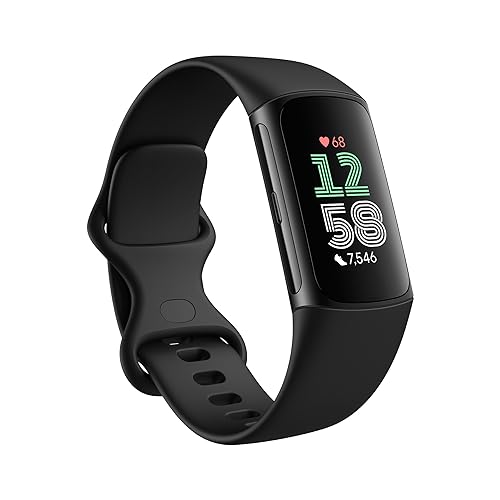
The Fitbit Charge 6 offers up to 7 days of battery life, with owners reporting 5-6 days with heavy use. It includes Google integration for maps, Wallet, and YouTube Music controls. The tracker excels in health tracking with EDA sensor and SpO2 monitoring. Its slim design makes it comfortable for 24/7 wear.
What owners say: Users report the battery easily lasts a work week without charging. Many note the accurate heart rate and sleep tracking, though GPS battery drain is noticeable.
- Slim, comfortable design
- Good battery for daily use
- Google ecosystem integration
- Battery drops to 2 days with continuous GPS
- Requires subscription for advanced insights

COROS PACE 3
Weighing just 30g, the COROS PACE 3 provides up to 17 days of regular use and 38 hours of continuous GPS. Owners confirm the battery lasts over two weeks with daily workouts. It features a new GPS chipset for accurate tracking in dense urban areas. Training metrics like EvoLab provide deep performance insights.
What owners say: Runners love the lightweight feel and long GPS battery, with many completing ultramarathons without recharging. The screen visibility in sunlight is also frequently praised.
- Extremely lightweight
- Long-lasting GPS battery
- Accurate multi-GNSS tracking
- Smart features are basic
- No music storage or payment

Samsung Galaxy Watch 6
Samsung's Galaxy Watch 6 offers up to 40 hours of battery life, with owners reporting 36 hours on average with typical use. It runs Wear OS for access to thousands of apps. Health features include bioelectrical impedance analysis and temperature sensor. The rotating bezel provides easy navigation.
What owners say: Battery life is a common theme: owners find it lasts slightly over a day, requiring daily charging but fast charging helps. Many appreciate the seamless integration with Samsung phones.
- Full smartwatch capabilities
- Bright, always-on display
- Extensive health sensor suite
- Battery life under 2 days
- Only works well with Samsung phones

Polar Grit X2 Pro
The Polar Grit X2 Pro lasts up to 14 days in watch mode and up to 100 hours in power-save GPS mode. Owners report about two weeks of normal use, including nightly sleep tracking. It features turn-by-turn navigation with offline maps and barometric altimeter. Military-grade reliability ensures performance in extreme conditions.
What owners say: Users highlight the fantastic battery life during multi-day treks, often exceeding expectations. The map navigation is praised for clarity and reliability in remote areas.
- Exceptional GPS battery life
- Offline maps and navigation
- Rugged military-grade build
- Bulky for everyday wear
- Smartwatch features are limited

Whoop 4.0
Whoop 4.0 eschews a screen for a strap-only design that lasts up to 5 days between charges. Owners appreciate the small portable battery pack that extends use. It tracks heart rate variability, sleep stages, and daily strain with high accuracy. The subscription unlocks detailed coaching and insights.
What owners say: Users often mention the battery life is sufficient, but less than other trackers; however, the charging pack is convenient for travel. The sleep and recovery data is considered invaluable for training optimization.
- Excellent sleep and recovery analysis
- Comfortable, screen-free design
- Portable charger for extra battery
- Requires ongoing subscription
- No display for notifications or time
How to choose
- Assess Your Typical Usage. Consider how often you use GPS, play music, or use the always-on display. These features drastically drain battery. If you run daily with GPS, look for models with at least 30 hours of GPS battery.
- Screen Type Matters. AMOLED screens are vibrant but consume more power. Transflective MIP displays (like on COROS) stay visible in sunlight and use less battery, but lack color richness.
- Check Real-World Longevity. Manufacturer claims are often under ideal conditions. Read owner reviews to learn the typical battery life with your usage pattern. Many users report 10-20% less battery than advertised.
- Consider Charging Convenience. Some trackers offer fast charging or magnetic chargers. If you can charge during a short shower or commute, a shorter battery life may be acceptable. Others require proprietary cables.
- Weight and Bulk Trade-offs. Longer battery often means larger battery pack and heavier watch. If you dislike wearing a bulky device, choose a lightweight model with moderate battery. There is always a compromise.
Frequently asked questions
How long should a fitness tracker battery last?
A good fitness tracker should last at least 5-7 days on a single charge for typical use. For heavy GPS users, look for models with 20+ hours of GPS battery. Many long-battery trackers exceed two weeks between charges.
What drains fitness tracker battery the most?
GPS tracking, always-on display, continuous heart rate monitoring, and music playback are the biggest drains. Notifications and screen brightness also impact battery. Disabling features you don't need can extend battery life by days.
Are long-battery trackers accurate?
Yes, brands like Garmin, Polar, and COROS prioritize accuracy even with extended battery. Using efficient GPS chips and algorithms, they maintain heart rate and location precision without sacrificing battery life.
Can I use a smartwatch as a fitness tracker?
Most smartwatches work well for basic tracking, but battery life is typically shorter (1-2 days) due to apps and larger displays. For fitness-focused users, dedicated trackers usually offer better battery and training metrics.
Do fitness tracker batteries degrade over time?
Yes, like all rechargeable batteries, they lose capacity after hundreds of cycles. Expect a 10-20% reduction in battery life after 2-3 years of daily charging. Replacing the device is typical after 3-5 years.
How do I extend my tracker's battery life?
Turn off always-on display, reduce screen brightness, disable Wi-Fi and Bluetooth when not needed, and use GPS only during activities. Also, avoid extreme temperatures and charge before the battery fully drains.
The verdict
The Garmin Venu 3 is the overall winner due to its exceptional balance of battery life, features, and accuracy. For adventurers needing ruggedness and extreme battery, the Amazfit T-Rex 3 is unmatched. If you prioritize sleep tracking and don't mind a subscription, the Whoop 4.0 offers unique insights.
Video Guide
Video: Related tutorial from YouTube