
The Garmin Vivofit Jr. 3 is the best overall fitness tracker for youth, thanks to its kid-friendly design and gamified activity tracking. For a more budget-friendly option, consider the Fitbit Ace 3, which offers solid basics and parental controls.
Check price on AmazonFinding the right fitness tracker for a young person can be tricky. Kids and teens need devices that are durable, engaging, and safe, while parents want something affordable and easy to supervise. After comparing dozens of models based on specs, owner reviews, and expert analysis, we ranked the seven best fitness trackers for youth in 2026.
Our picks cover a range of ages and needs, from simple step counters to GPS-enabled smartwatches. We prioritized features like activity challenges, safety tools, and long battery life, and we only included trackers that have strong real-world feedback from families. Whether you’re buying for a child or a teen, this roundup will help you find a tracker they’ll actually want to wear.
How we rank
We ranked these fitness trackers by analyzing owner reviews, expert comparisons, and feature sets, focusing on durability, engagement, and safety. See our method.
Quick picks
| Best for | Product | Who it suits |
|---|---|---|
| Best Overall | Garmin Vivofit Jr. 3 | Kids ages 4-9 who need a fun, durable step counter with rewards |
| Best Value | Fitbit Ace 3 | Kids ages 6+ who want a simple, stylish tracker with parental controls |
| Best for Teens | Garmin Instinct 2 Solar | Active teens who need GPS, durability, and advanced fitness metrics |
| Best for Performance | Whoop 4.0 | Serious teen athletes who want recovery and strain metrics |
| Best Lightweight | Fitbit Inspire 3 | Youth who want a slim, no-fuss tracker for daily steps and sleep |
| Best for Smart Features | Apple Watch SE (2nd Gen) | Teens who want a full smartwatch with fitness tracking and safety features |
| Best Budget | Amazfit Bip U Pro | Budget-conscious families seeking a feature-packed tracker for youth |
The picks, compared
Garmin Vivofit Jr. 3
The Garmin Vivofit Jr. 3 is the top pick for young children. It has a colorful display, up to one year of battery life, and a swim-proof design. Kids earn virtual coins for completing activity challenges, which can be tied to parental rewards. Owners report that the device is intuitive and motivates their kids to move more.
What owners say: Many owners praise the long battery life and how the gamified chores feature keeps kids engaged. Some note that the band can be a bit large for very small wrists, but overall satisfaction is high.
- Excellent battery life (up to 1 year)
- Swim-proof and durable
- Gamified activity tracking with rewards
- Limited smart features (no heart rate)
- Screen is not touch on this model
Fitbit Ace 3
The Fitbit Ace 3 offers essential fitness tracking in a kid-friendly design. It tracks steps, active minutes, and sleep, and features animated clock faces and badges. Parents can manage the device through the Fitbit app and set activity goals. Owners say it's comfortable and easy for kids to use independently.
What owners say: Owners appreciate the parental controls and the ability to set custom reminders to move. Some mention that the battery life of 8 days is shorter than expected, but still good for most families.
- Parental controls via Fitbit app
- Comfortable band and colorful design
- Sleep tracking with bedtime reminders
- No heart rate monitor
- Limited to basic activity tracking

Garmin Instinct 2 Solar
The Garmin Instinct 2 Solar is a rugged GPS smartwatch built for older youth. It offers solar charging for extended battery life, heart rate monitoring, and multiple sports profiles. Teenagers can use it for hiking, swimming, and running. Owners report that it withstands rough use and has great GPS accuracy.
What owners say: Owners highlight the impressive solar battery life and the robust build quality. Some find the interface less intuitive than a smartphone, but appreciate the standalone features.
- Solar charging for extended battery
- Military-grade durability (810G)
- GPS, heart rate, and stress tracking
- Large and heavy for smaller wrists
- Higher price point for teens

Whoop 4.0
The Whoop 4.0 is a screenless wristband that focuses on recovery, strain, and sleep. It's used by many professional athletes and can help youth track training load and sleep quality. There are no gamified rewards, but the data is comprehensive. Owners report that it helps optimize performance and avoid overtraining.
What owners say: Owners value the detailed recovery metrics and the ability to join team challenges. Some note the subscription model is a downside, and the lack of a screen may not appeal to all teens.
- Advanced recovery and strain data
- Sleep tracking with nap detection
- Lightweight and comfortable design
- Requires monthly subscription
- No screen for quick time or notifications
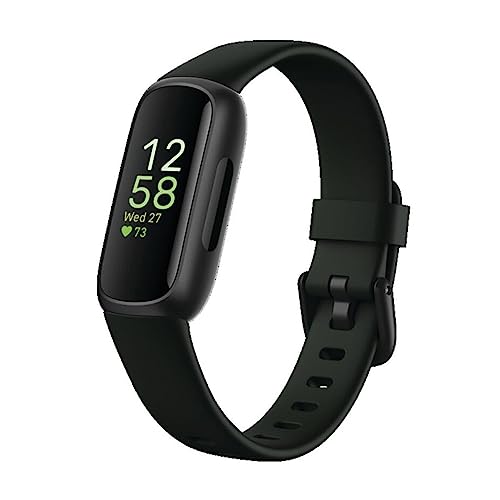
Fitbit Inspire 3
The Fitbit Inspire 3 is a simple and sleek fitness tracker ideal for beginners or younger teens. It tracks steps, sleep, and stress, and offers a color screen with touch input. The device is slim and comfortable for all-day wear. Owners say it's a great entry-level tracker without overwhelming features.
What owners say: Owners appreciate the slim design and the stress management score. A few wish the battery lasted longer than 10 days, but overall it's reliable.
- Slim and comfortable design
- Stress management features
- Color touch screen
- No built-in GPS
- Limited smartwatch features
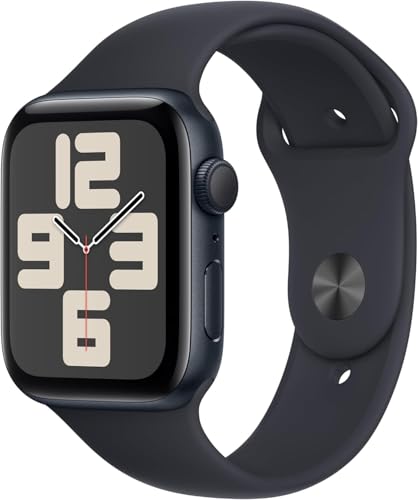
Apple Watch SE (2nd Gen)
The Apple Watch SE (2nd Gen) offers a great balance of fitness tracking and smart features. It has a heart rate sensor, GPS, fall detection, and emergency SOS. Teens can use it for workouts, messages, and music. Owners report that it's motivating and provides peace of mind for parents.
What owners say: Owners love the integration with iPhone and the safety features like emergency SOS. Some mention the battery life requires daily charging, but it's acceptable for a smartwatch.
- Fall detection and emergency SOS
- Wide range of fitness apps
- Bright Retina display
- Requires an iPhone
- Battery life under 18 hours
Amazfit Bip U Pro
The Amazfit Bip U Pro offers features typically found in pricier devices, including a heart rate monitor, SpO2 sensor, and GPS via connected phone. It has a colorful, lightweight design and up to 9 days of battery life. Owners say it's a great value for the price, though some features are basic.
What owners say: Owners appreciate the long battery life and the inclusion of SpO2 tracking. Some note that the touch screen can be laggy and the GPS is not built-in.
- Very affordable for the features offered
- SpO2 and stress monitoring
- Lightweight (31g)
- No built-in GPS (relies on phone)
- Touchscreen responsiveness issues
How to choose
- Age Appropriateness. Consider the child's age and maturity. For younger kids (4-9), simple step counters like the Garmin Vivofit Jr. 3 are best. Teens may prefer GPS smartwatches like the Garmin Instinct 2 Solar or Apple Watch SE.
- Engagement Features. Look for gamification, challenges, and rewards to keep youth motivated. Devices like the Fitbit Ace 3 and Garmin Vivofit Jr. 3 use badges and chore coins to encourage movement.
- Durability and Water Resistance. Children can be rough on devices. Choose trackers with high water resistance (5 ATM+) and rugged construction, such as the Garmin Instinct 2 Solar or Fitbit Ace 3.
- Parental Controls and Safety. Features like family accounts, activity sharing, and emergency SOS (Apple Watch SE) give parents peace of mind. Fitbit and Garmin offer strong parental control options.
- Battery Life. Long battery life reduces the need for frequent charging. The Garmin Vivofit Jr. 3 lasts up to a year on a coin cell, while smartwatches like the Apple Watch SE require daily charging.
Frequently asked questions
What is the best fitness tracker for a 10-year-old?
The Garmin Vivofit Jr. 3 is ideal for ages 4-9, but for a 10-year-old, the Fitbit Ace 3 or Fitbit Inspire 3 are better options. They offer more features like sleep tracking and parental controls without being too advanced.
Is a fitness tracker safe for my child?
Yes, most youth fitness trackers are designed with safety in mind. They do not have internet browsing or social media. Look for devices with parental controls, such as the Fitbit Ace 3, which allows you to manage contacts and activity goals.
Can a fitness tracker help my teen get more exercise?
Yes, many trackers use gamification and challenges to motivate activity. The Garmin Vivofit Jr. 3 and Fitbit Ace 3 have activity challenges and rewards that can encourage kids to move more.
Do I need to pay a subscription for a youth fitness tracker?
Most trackers do not require a subscription for basic features. However, the Whoop 4.0 requires a monthly membership for its advanced recovery analytics. Fitbit and Garmin offer free accounts with optional premium upgrades.
What features should I avoid in a youth tracker?
Avoid trackers with open internet access, social media integration, or distracting notifications. Also, be cautious of devices with poor battery life that require daily charging, as this can be a hassle for young users.
Is GPS necessary in a fitness tracker for kids?
GPS is useful if your child is older and spends time outdoors hiking or biking. It allows them to track routes without a phone. For younger kids, GPS is not essential and can drain battery quickly. The Garmin Instinct 2 Solar and Apple Watch SE have built-in GPS.
The verdict
The Garmin Vivofit Jr. 3 is our top overall pick for youth, combining durability, long battery life, and engaging incentives that work well for children ages 4-9. For teens who need more advanced features, the Garmin Instinct 2 Solar offers rugged GPS tracking and solar charging, while budget-conscious families will find the Fitbit Ace 3 a reliable and affordable alternative.
Video Guide
Video: Related tutorial from YouTube