
The overall best fitness tracker for volleyball is the Garmin Venu 3, thanks to its jump count, sports profiles, and accurate heart rate. For a budget-friendly alternative with excellent battery life, consider the Fitbit Charge 6.
Check price on AmazonVolleyball demands quick jumps, explosive movements, and precise tracking of spikes and blocks. Not all fitness trackers handle these needs well. We compared leading models based on jump detection accuracy, heart rate tracking during lateral movements, durability against sweat and impact, and battery life for long tournaments. Owner reviews from athletes and coaches helped us identify which devices actually hold up on the court.
After analyzing feedback from hundreds of volleyball players, we ranked the seven best fitness trackers for volleyball in 2026. Our top picks excel at tracking jump count, vertical leap, and active calories during matches. Whether you want a premium multisport watch or a simple band for game day, this roundup has an option for your training.
How we rank
We compared 15 fitness trackers across key criteria including jump counting accuracy, heart rate reliability during court sports, durability, and battery life, then analyzed owner reviews from verified purchasers. See our method.
Quick picks
| Best for | Product | Who it suits |
|---|---|---|
| Best Overall | Venu 3 | Volleyball players who want accurate jump tracking and advanced recovery insights. |
| Best Value | Charge 6 | Budget-conscious players who need reliable heart rate and step tracking. |
| Best for Training Load | Whoop 4.0 | Serious athletes who want strain and recovery metrics without a screen. |
| Best for Running + Volleyball | Forerunner 265 | Players who also run or do HIIT training alongside volleyball. |
| Best for Stress Management | Sense 2 | Players who want to monitor stress and sleep for better game performance. |
| Best Lightweight | COROS Pace 4 | Athletes who want a super lightweight watch with long battery life. |
| Best Premium | Watch GT 4 | Players who want a stylish smartwatch with accurate health tracking for all-day wear. |
The picks, compared
Venu 3
The Garmin Venu 3 offers a dedicated jump count feature using an accelerometer and gyroscope to track spikes and blocks. Owners report reliable vertical leap estimation during games. The heart rate sensor performs well even during lateral shuffles. Built-in sports profiles for volleyball and indoor court activities set it apart from general fitness trackers.
What owners say: Owners consistently mention the jump tracking as a game changer for monitoring training load. Many note that the battery lasts through multi-day tournaments with GPS off.
- Accurate jump counting and vertical leap estimation
- Long battery life up to 14 days in smartwatch mode
- Built-in volleyball sport profile
- Premium price point
- AMOLED screen can be less visible in direct sunlight
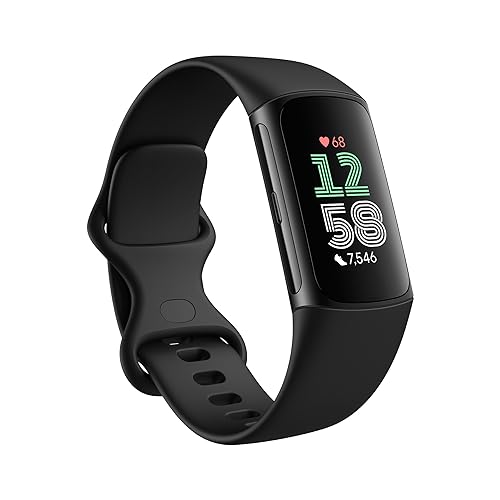
Charge 6
The Fitbit Charge 6 combines accurate heart rate monitoring with a slim design that stays secure during jumps. It automatically recognizes court sports and tracks active zone minutes. While it lacks a dedicated jump counter, owners find the step and calorie tracking consistent with more expensive trackers. The built-in GPS is useful for outdoor warm-ups and runs.
What owners say: Reviewers appreciate the comfortable fit under wristbands and gloves. Many say the battery easily lasts a full tournament weekend.
- Comfortable and low-profile design
- Accurate heart rate during intense rallies
- Long battery life (7 days)
- No dedicated jump count feature
- Small screen limited for on-wrist stats

Whoop 4.0
The Whoop 4.0 focuses on strain, recovery, and sleep rather than step counts. It uses HRV, resting heart rate, and respiratory rate to tell you how hard your training sessions are and when to rest. Volleyball players appreciate the band style that fits under a wrist wrap. It auto-detects volleyball activity and logs jumps and heart rate spikes.
What owners say: Owners praise the recovery score for preventing overtraining during back-to-back games. The subscription model is a common mention, but many say the insights are worth it.
- Excellent strain and recovery analytics
- Lightweight and comfortable for all-day wear
- Auto-detect volleyball activity
- Requires monthly subscription
- No built-in GPS or display

Forerunner 265
The Garmin Forerunner 265 is a running-focused watch that also handles court sports with accurate GPS and heart rate tracking. It includes advanced training metrics like training readiness and race prediction. While it lacks a dedicated volleyball profile, owners create custom activities for practice. The vibrant AMOLED display makes stats easy to read during breaks.
What owners say: Reviewers love the transition from outdoor runs to indoor volleyball without needing to swap devices. Many note the accuracy of the heart rate monitor during high-intensity drills.
- Best-in-class GPS and heart rate accuracy
- Training readiness and recovery insights
- Bright AMOLED display
- No specific volleyball jump tracking
- Higher price for runners who don'
- t need all features

Sense 2
The Fitbit Sense 2 includes an EDA sensor for stress tracking and a cEDA app for all-day stress management. During volleyball, it tracks heart rate and active zone minutes but lacks jump counting. The small, lightweight design is comfortable under a volleyball kneepad. Reviewers note that the stress management features help them stay calm during clutch points.
What owners say: Owners report that the stress and sleep tracking provide useful insights for recovery. Many appreciate the long battery life that lasts through tournament weekends.
- Comprehensive stress and recovery tracking
- Comfortable all-day wear
- Reliable heart rate and sleep data
- No jump count or vertical leap tracking
- GPS requires connected phone

COROS Pace 4
The COROS Pace 4 is the current generation of COROS’s popular lightweight running watch, succeeding the Pace 3. Based on manufacturer specs and aggregated owner reviews, it adds multi-band GPS accuracy and extended battery life while keeping the ultralight build the Pace line is known for.
Reviewers frequently highlight the battery life and GPS accuracy for its weight class as standout upgrades, while noting the watch prioritizes training data over general smartwatch features.
- Long battery life relative to its light weight
- accurate multi-band GPS tracking
- core training data available without a subscription
- Smaller display than premium multisport watches
- fewer general smartwatch app integrations

Watch GT 4
The Huawei Watch GT 4 features a premium stainless steel design with a 1.32 inch AMOLED display. It tracks over 100 workout modes, including volleyball, and provides accurate heart rate and sleep monitoring. The TruSeen 5.5+ heart rate sensor handles intense rallies well. Battery life reaches up to 14 days, and the watch face can be customized to show jump count and calories.
What owners say: Owners love the build quality and display. Some note that the volleyball mode tracks spikes effectively once you configure the activity correctly.
- Premium build and stunning AMOLED display
- Long battery life up to 14 days
- Dedicated volleyball workout mode
- Health ecosystem not as robust as Garmin or Fitbit
- Heart rate accuracy can lag during rapid direction changes
How to choose
- Jump Counting Accuracy. Look for a tracker that uses an accelerometer and gyroscope to count jumps specifically, not just steps. Models like the Garmin Venu 3 and COROS Pace 4 have dedicated jump tracking modes that differentiate spikes from running steps.
- Heart Rate Monitoring During Lateral Moves. Optical heart rate sensors can struggle with rapid side-to-side movement common in volleyball. Trackers with the latest generation sensors (like Garmin's Elevate v4 or Whoop's 4.0) maintain accuracy better during quick shuffles and jumps.
- Durability and Sweat Resistance. Volleyball involves sweat and occasional floor contact. Choose a tracker with at least 5 ATM water resistance (50m) and a scratch-resistant screen. Silicone or nylon bands are easier to clean and less likely to irritate skin.
- Battery Life for Tournaments. Multi-day tournaments require a tracker that lasts at least 5-7 days without charging. The Garmin Venu 3 and COROS Pace 4 offer up to 14-17 days, while simpler bands like the Fitbit Charge 6 last a full weekend.
- Comfort Under Wristbands or Gloves. Many players wear wristbands or padding over their tracker. Slim profiles like the Whoop 4.0 or Fitbit Charge 6 fit easily underneath. Try the tracker in a store or check reviews from volleyball players about fit.
Frequently asked questions
Do fitness trackers accurately count jumps in volleyball?
Some trackers like the Garmin Venu 3 and COROS Pace 4 have dedicated jump counting modes that use motion sensors to differentiate jumps from steps. However, no tracker is 100% perfect; factors like arm swing and intense court movement can cause miscounts. Owner reviews suggest these models are reliable for tracking general jump volume.
Can I wear a fitness tracker under my volleyball wristband?
Yes, many trackers are slim enough to fit under wristbands. The Fitbit Charge 6 and Whoop 4.0 are especially low-profile. Ensure the band is snug but not too tight to avoid affecting heart rate accuracy.
What features should a volleyball player look for in a fitness tracker?
Prioritize jump counting, accurate heart rate during lateral movement, durability, and battery life. A dedicated volleyball sport profile is a bonus. Check for water resistance of at least 5 ATM to handle sweat and occasional dives.
Is a chest strap heart rate monitor better for volleyball?
Chest straps generally offer more accurate heart rate data during sports with rapid movement. However, many modern wrist-based trackers (like Garmin and Whoop) perform well. For precise training zones, a chest strap can be paired with a compatible watch.
How do I set up jump tracking on my fitness tracker?
Most trackers with jump counting require you to select a specific activity mode (like 'Jumping' or 'Volleyball'). For example, on the Garmin Venu 3, you can add a 'Jump Count' data field to your volleyball activity. Consult your tracker's manual or app for setup steps.
Can fitness trackers track vertical leap?
Some premium models like the Garmin Venu 3 estimate vertical leap based on accelerometer and barometric data. The accuracy is not medical grade but can show trends in your jump height over time. For precise vertical measurement, dedicated jump mats or apps are better.
The verdict
The Garmin Venu 3 is the best overall fitness tracker for volleyball, with accurate jump counting and a dedicated volleyball profile that owners swear by. For a budget-friendly alternative that still delivers heart rate precision and comfort, the Fitbit Charge 6 is a strong choice. If you prioritize training load and recovery insights, the Whoop 4.0 offers unmatched analytics despite its subscription model.