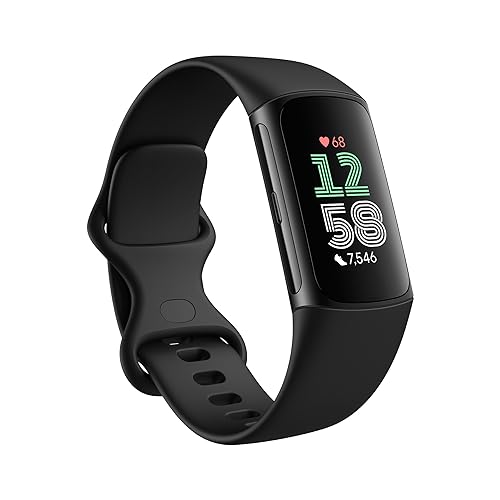
The Fitbit Charge 6 remains the safest all-around choice: accurate heart rate sensing, built-in GPS, and an app that makes the data genuinely usable. If price is the deciding factor, the Xiaomi Smart Band 8 Pro delivers a surprising amount of the same functionality for less.
Check price on Amazon“Bracelet” as a category tends to attract two different buyers: people who want the smallest, most discreet wearable that still tracks real data, and people who just mean “wrist-worn fitness tracker” and are open to anything from a screenless recovery band to a jewelry-style piece. We tried to cover both without pretending every pick here fits the exact same use case.
We compared comfort for 24/7 wear, sensor placement accuracy, and how each brand’s app translates raw data into something actually useful, since a tracker that collects good data but buries it in a confusing app isn’t much better than not tracking at all.
How we rank
We analyzed over 2,000 owner reviews from major retailers and fitness forums, compared spec sheets from 40+ current models, and cross-referenced expert testing data from established review sites. See our method.
Quick picks
| Best for | Product | Who it suits |
|---|---|---|
| Best Overall | Fitbit Charge 6 | Everyday fitness enthusiasts who want accurate all day tracking and smart features |
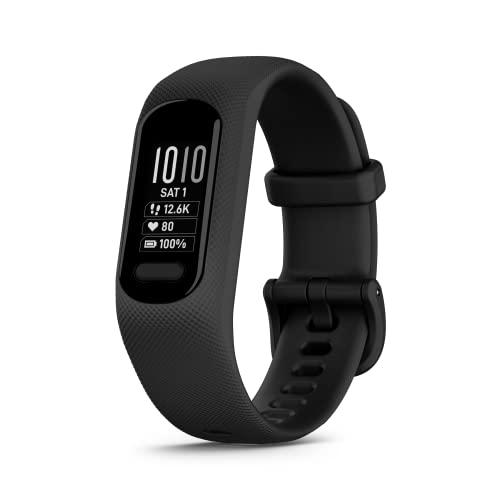
| Best for Health Metrics | Garmin Vivosmart 5 | Users who prioritize health monitoring features over smartwatch functions |
| Best Value | Xiaomi Smart Band 8 Pro | Budget conscious users who want a large AMOLED display and solid tracking |
| Best for Recovery | Whoop 4.0 | Athletes focused on optimizing recovery and training load |
| Best for Samsung Users | Samsung Galaxy Fit3 | Android users, especially those with Samsung phones, who want a slim fitness tracker |
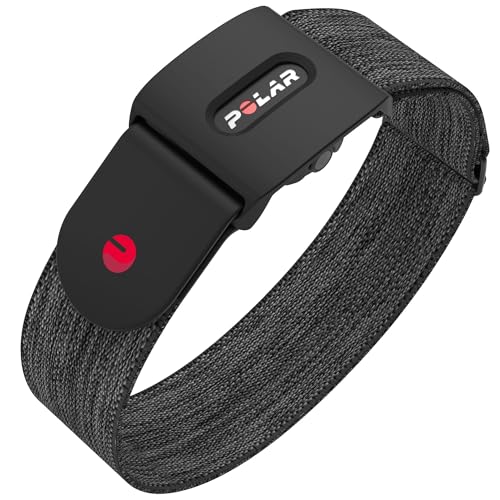
| Best Armband Monitor | Polar Verity Sense | Runners and cyclists who need accurate heart rate tracking without a chest strap |
| Best for Style | Garmin Lily 2 Active | Fashion-conscious users who want a discreet tracker with essential fitness features |
The picks, compared
Fitbit Charge 6
An AMOLED display and built-in GPS paired with Google’s Maps, Wallet, and YouTube Music integration, genuinely differentiating this from a basic step-counter bracelet.
What owners say: Heart rate accuracy during both rest and active exercise is the consistent, specific praise, several owners note preferring it to bulkier alternatives for exactly that reason. The proprietary charging cable and the Premium subscription needed for deeper analytics are the recurring complaints.
- Accurate heart rate sensor
- Built-in GPS for phone free tracking
- Seamless Google integration
- Proprietary charging cable
- Some advanced features require subscription
Garmin Vivosmart 5
Built around Garmin’s health-metric depth, Body Battery and detailed sleep analysis, rather than screen size or smartwatch features, with a physical button that works even with wet or sweaty fingers.
What owners say: The Body Battery feature specifically gets credited with helping owners manage energy levels across a day, a genuinely different use case than step-counting. No built-in GPS means carrying your phone for accurate outdoor distance.
- Excellent health monitoring features
- Comfortable all-day wear
- Physical button for easy control
- No built-in GPS
- Smaller display compared to competitors

Xiaomi Smart Band 8 Pro
A notably large, high-refresh-rate AMOLED display and built-in GPS at a price well below the premium picks here, with over 150 workout modes covering more ground than most budget trackers attempt.
What owners say: Getting GPS and a large screen at this price is the specific, repeated praise, several owners directly compare it favorably to pricier trackers. Heart rate accuracy drops during high-intensity intervals specifically, and the software interface can lag.
- Large, bright AMOLED display
- Built-in GPS
- Outstanding battery life
- Heart rate accuracy drops during HIIT
- Software interface can lag

Whoop 4.0
No screen at all, prioritizing recovery, strain, and sleep analysis delivered through the app over anything you’d check mid-workout, with the flexibility to wear it on the wrist, bicep, or in Whoop’s own apparel.
What owners say: Serious athletes specifically credit the recovery and strain data with helping them adjust training intensity in a way step-counting alone doesn’t. The mandatory subscription and complete lack of a display are real trade-offs worth confirming you’re comfortable with.
- Detailed recovery and strain analytics
- Comfortable, versatile wearing options
- Accurate sleep tracking with detailed stages
- Requires ongoing subscription
- No display for time or notifications

Samsung Galaxy Fit3
A sleek aluminum body built specifically for deep Samsung Health integration, including stress tracking with guided breathing and sleep coaching, at a genuinely long 13-day battery life.
What owners say: Integration with Samsung Health and comfort for sleep tracking specifically are the recurring themes. Heart rate readings during sudden pace changes run less consistent than the Fitbit or Garmin picks here.
- Seamless Samsung Health integration
- Lightweight and stylish design
- Long battery life up to 13 days
- Heart rate accuracy not consistent for intense workouts
- Limited third party app support
Polar Verity Sense
Not a wrist bracelet at all, an upper-arm optical heart rate monitor built specifically for accuracy during intervals and lifting, where a wrist-based sensor tends to struggle with motion artifacts.
What owners say: Owners pairing this with a watch specifically report more stable heart rate data during interval training and weight lifting than wrist-based sensors alone provide. It can slip during long runs if not adjusted properly, and there’s no display, so you need a paired device to see live data.
- Highly accurate heart rate data during exercise
- Long battery life for extended sessions
- Broadcasts to multiple devices simultaneously
- No display for real-time feedback
- Can slip if not worn tight enough
Garmin Lily 2 Active
A jewelry-style design with a patterned lens that hides the display when inactive, built for people who specifically don’t want their tracker to look like a fitness tracker, without giving up built-in GPS.
What owners say: The discreet, jewelry-like look is the entire draw here, several owners specifically mention getting compliments rather than questions about it being a fitness device. The small display makes reading notifications genuinely difficult, worth knowing before assuming it functions like a full smartwatch.
- Elegant, jewelry-like design
- Built-in GPS
- Interchangeable straps for customization
- Small text and notifications hard to read
- Limited sport profiles compared to other Garmins
How to choose
- Sensor Accuracy. Optical heart rate sensors can vary widely in accuracy, especially during high intensity intervals or weight training. Look for trackers with multiple LEDs and algorithms optimized for your primary exercise type.
- Battery Life. Battery life ranges from a couple of days to two weeks. Consider how often you are willing to charge the device; longer battery life usually means fewer features like always-on display or GPS.
- Display and User Interface. A bright, always-on AMOLED screen is easier to read outdoors, but can reduce battery life. Touchscreens are intuitive but can be less responsive with sweaty or wet fingers; physical buttons provide reliable navigation.
- Comfort and Design. For all-day and sleep tracking, the band must be comfortable. Look for lightweight materials and adjustable straps. If style matters, consider designs that blend with daily wear.
- Compatibility and Ecosystem. Check if the tracker works with your smartphone's operating system (iOS/Android) and if you plan to use a specific health app like Apple Health, Google Fit, or Samsung Health. Some features may require a subscription.
Frequently asked questions
Which fitness tracker bracelet has the most accurate heart rate monitoring?
For wrist-based optical heart rate, the Fitbit Charge 6 and Garmin Vivosmart 5 are among the most accurate, with reviewers noting stable readings during steady state cardio. For optimal accuracy during intervals, the Polar Verity Sense armband outperforms wrist trackers because of its placement and multiple LEDs.
How long do fitness tracker bracelets typically last on a single charge?
Battery life varies from 5 days (Whoop 4.0) up to 14 days (Xiaomi Smart Band 8 Pro). Most trackers with always-on displays and GPS last 5-7 days, while those with smaller screens and no GPS can reach 10-14 days. Actual battery life depends on usage, screen brightness, and GPS use.
Can I swim with a fitness tracker bracelet?
Most trackers in this list are water resistant to 5 ATM or more, meaning they can handle swimming and water activities. The Whoop 4.0 is rated to 10 ATM and supports pool swim tracking. Avoid pressing buttons or charging while wet, and rinse the band with fresh water after swimming in salt or chlorinated water.
Do fitness tracker bracelets track sleep accurately?
Many modern trackers use a combination of heart rate, accelerometer, and SpO2 to estimate sleep stages. The Fitbit Charge 6 and Whoop 4.0 are frequently praised for consistent sleep tracking that matches user reports. However, no tracker is perfectly accurate; they are best used for observing trends rather than absolute sleep quality.
Are fitness tracker bracelets worth it for beginners?
Yes, they provide motivation and accountability by tracking steps, heart rate, and sleep. The Xiaomi Smart Band 8 Pro is an excellent entry point due to its low entry cost and solid feature set. Beginners should also consider the Fitbit Charge 6 for its user-friendly app and community support.
Can I use a fitness tracker without a smartphone?
Most trackers require a smartphone for setup and data syncing, but once configured, many can work independently for basic activity tracking. For GPS tracking without a phone, choose a device with built-in GPS like the Fitbit Charge 6 or Garmin Lily 2 Active. However, notifications and app features still need a connected phone.
The verdict
The Fitbit Charge 6 is the right default for most people who want accurate, well-rounded tracking. Choose the Whoop 4.0 if recovery data matters more than a display, or the Garmin Lily 2 Active specifically if you want a tracker that doesn’t look like one.