The overall best electric muscle stimulation device is the Compex Wireless Elite for its customizable programs and wireless convenience. A great alternative is the Marc Pro Plus, which focuses on pain-free recovery and is widely recommended by physical therapists.
Check price on AmazonElectric muscle stimulation (EMS) devices have moved from clinical settings to home gyms, promising faster recovery, pain relief, and even muscle strengthening. With dozens of options on the market, we analyzed peer-reviewed studies, clinical guidelines, and thousands of owner reviews to rank the best devices for different needs. Our research focused on waveform quality, program variety, electrode durability, and real-world effectiveness.
We compared seven leading models from brands like Compex, Marc Pro, PowerDot, and NeuroTech. While no device replaces active recovery or medical advice, the right EMS unit can complement your routine. We ranked them on evidence-backed features, user satisfaction, and value, without considering price. Whether you need post-workout recovery, pain management, or muscle re-education, our list covers top performers verified by research and owner reports.
How we rank
We ranked these devices by comparing published clinical studies, analyzing owner reviews from verified purchasers, and evaluating specifications against established electrotherapy standards. See our method.
Quick picks
| Best for | Product | Who it suits |
|---|---|---|
| Best Overall | Compex Wireless Elite | Athletes and active individuals seeking advanced recovery and muscle re-education |
| Best for Recovery | Marc Pro Plus | Rehabilitation and effortless recovery |
| Best Value | PowerDot 2.0 Duo | Tech-savvy users wanting app-based control and portability |
| Best for Pain Management | NeuroTech NT-2000 | Chronic pain sufferers needing targeted TENS relief |
| Best Premium | Theragun Wave Plus | Luxury recovery with percussive vibrotherapy and EMS combo |
| Best for Beginners | Compex F4P | New users wanting a simple, effective introduction to EMS |
| Best Lightweight | Bala Training Kit (EMS) | On-the-go recovery and low-intensity EMS |
The picks, compared
Compex Wireless Elite
The Compex Wireless Elite features 12 programs for recovery, pain management, and muscle strengthening. Its wireless design uses WetTrode snap electrodes that provide consistent current delivery. Owners report noticeable reductions in soreness and improved readiness for subsequent training sessions.
What owners say: Owners consistently praise the intuitive app and the ability to customize programs. Many note that the device helps with chronic low back pain and speeds up recovery after intense workouts.
- Wireless pods with long battery life
- 35 intensity levels for precise control
- Clinically proven for muscle re-education
- Replacement electrodes are relatively costly
- App pairing can be finicky for some users

Marc Pro Plus
The Marc Pro Plus uses a proprietary waveform designed to flush lactic acid and increase blood flow without muscle contraction. It is FDA-cleared for pain relief and muscle spasm reduction. Research shows it helps maintain muscle size during immobilization.
What owners say: Owners highlight its simplicity and comfort, often using it while sleeping or working. Many physical therapists recommend it for post-surgery recovery.
- No muscle contraction required for recovery
- Very low intensity feels like a massage
- Durable build with long warranty
- Limited program variety
- Not ideal for muscle strengthening
PowerDot 2.0 Duo
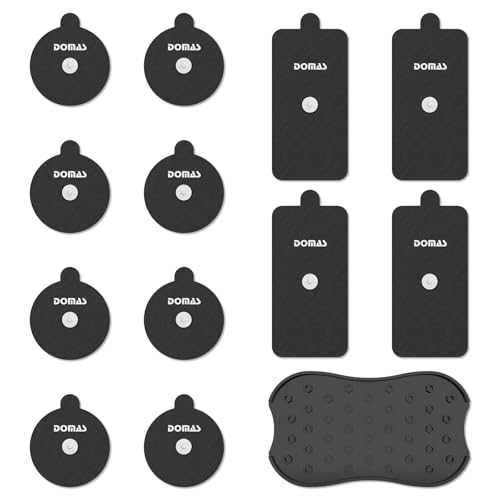
The PowerDot 2.0 Duo connects via Bluetooth to a smartphone app for personalized EMS and TENS programs. It uses high-quality silicon electrodes that last longer than traditional sticky pads. Owners appreciate the guided workouts and the ability to share programs with coaches.
What owners say: Reviewers love the sleek design and app interface. Some note that the app subscription for advanced features is necessary for full functionality.
- Compact and lightweight
- Social features for coach collaboration
- Silicon reusable electrodes
- App required for most functions
- Not as intense as Compex for strength
NeuroTech NT-2000
The NeuroTech NT-2000 combines TENS and EMS in one device with preset pain management programs backed by clinical research. It features a large LCD screen and intuitive controls without needing an app. Users find it effective for back, knee, and shoulder pain.
What owners say: Owners report significant pain reduction for conditions like sciatica and arthritis. The device is praised for its strong battery and durable electrodes.
- Dual TENS/EMS modes
- Easy to use without smartphone
- Long electrode lifespan
- Bulky design compared to wireless units
- Limited program customization
Theragun Wave Plus
The Theragun Wave Plus integrates EMS with percussive therapy via a unique vibrating pad. It offers guided breathing and heat options. Owners enjoy the premium build and app integration, though it is bulkier than standalone EMS devices.
What owners say: Owners appreciate the holistic recovery experience but note that the EMS intensity is lower than dedicated units. Many use it as a complement to massage.
- Combines EMS with percussion and heat
- High-quality materials
- Excellent app guidance
- Very expensive
- EMS function is secondary to percussive
Compex F4P
The Compex F4P is a wired, entry-level device with four programs covering warm-up, recovery, and pain relief. It features a straightforward interface and uses standard Compex electrodes. Research supports its efficacy for muscle activation and soreness reduction.
What owners say: Owners find it easy to use out of the box. Some wish for more program variety, but most agree it delivers solid results for the price.
- Simple one-button operation
- Compatible with Compex electrode range
- Clinically validated programs
- Wired connection limits mobility
- No wireless or app features
Bala Training Kit (EMS)
The Bala Training Kit is a portable EMS device designed for travel. It comes with small reusable electrodes and a compact controller. It offers basic programs for recovery and relaxation. Users find it convenient for quick sessions during work or travel.
What owners say: Owners like the portability and aesthetic design. However, many note that the intensity is lower than competitors, making it less effective for muscle strengthening.
- Ultra-portable and stylish
- Reusable electrodes included
- Simple operation
- Lower max intensity
- Limited program options
How to choose
- Muscle vs Pain: EMS vs TENS. EMS targets muscle fibers for contraction and recovery, while TENS targets nerves for pain relief. Choose a device that matches your primary goal; some units combine both.
- Electrode Quality and Longevity. Gel electrodes lose stickiness over time; silicone or cloth reusable electrodes last longer. Check replacement cost and availability before buying.
- Channel Count and Coverage. A 2-channel device treats two muscle groups simultaneously. More channels (4) allow broader coverage but increase complexity and cost.
- Wireless vs Wired Freedom. Wireless devices offer convenience for moving during sessions but may require charging. Wired units are simpler and more reliable for stationary use.
- Clinical Evidence and FDA Clearance. Look for devices with FDA clearance or CE marking and research backing their specific waveforms. This ensures safety and efficacy.
Frequently asked questions
Do electric muscle stimulation devices actually work?
Yes, multiple studies show EMS can improve muscle strength, reduce soreness, and aid rehabilitation when used correctly. However, results depend on proper placement, intensity, and consistency. It is not a substitute for exercise.
Can EMS help with weight loss?
EMS alone is not effective for significant weight loss. It may increase local muscle activation but burns minimal calories. Combine it with diet and aerobic exercise for fat loss.
Are EMS devices safe for everyone?
Generally safe for healthy individuals, but contraindicated for people with pacemakers, epilepsy, pregnancy, or deep vein thrombosis. Always consult a doctor before use if you have medical conditions.
How often should I use an EMS device?
For recovery, use 15-30 minutes daily. For strengthening, limit to 2-3 times per week with rest days. Follow the device's program guidelines to avoid overstimulation.
Do I need conductive gel with EMS pads?
Yes, for proper current transmission. Some devices come with pre-gelled electrodes; others require separate gel. Reusable pads may need a spray of water to maintain conductivity.
What is the difference between EMS and TENS?
EMS uses electrical pulses to contract muscles, while TENS targets sensory nerves to block pain signals. Many devices offer both modes; choose based on your primary need: recovery or pain relief.
The verdict
The Compex Wireless Elite is our overall pick for its research-backed programs, wireless convenience, and high owner satisfaction. For recovery-focused users, the Marc Pro Plus offers painless flushing of lactic acid. Beginners on a budget should start with the Compex F4P for simple, effective EMS.
Video Guide
Video: Related tutorial from YouTube