
The overall best compression sock for running is the CEP Progressive+ Run Socks 4.0, offering targeted compression and durability. For a budget-friendly alternative, consider the Saucony ProGrid Lightweight No Show Socks.
Check price on AmazonCompression socks have become a staple for runners seeking improved circulation, reduced muscle soreness, and faster recovery. With dozens of options on the market, finding the right pair can be overwhelming. We analyzed owner reviews, expert recommendations, and technical specs to rank the best compression socks for running in 2026.
Our research focused on compression levels, material quality, fit, and durability. We prioritized socks that deliver consistent pressure without being uncomfortable, and that hold up to frequent washing. Whether you’re training for a marathon or just starting out, this roundup will help you find a pair that supports your running goals.
How we rank
We ranked these socks by analyzing over 2,000 owner reviews, expert ratings, and technical specifications from leading brands. See our method.
Quick picks
| Best for | Product | Who it suits |
|---|---|---|
| Best Overall | Progressive+ Run Socks 4.0 | Runners seeking maximum performance and recovery |
| Best Value | ProGrid Lightweight No Show Socks | Runners on a budget who still want quality compression |
| Best for Beginners | Everyday Cushion Crew Socks | New runners looking for mild compression and comfort |
| Best Lightweight | Fastpack Light Mid Socks | Runners who prefer a minimalist feel with toe separation |
| Best for Marathon Training | Swiftwick Aspire Five | Long-distance runners needing durable compression |
| Best for Warm Weather | Ultra Light Cushion No Show Tab | Runners in hot climates who want light compression |
| Best Premium | LiquidSeam Calf Sleeves | Runners willing to invest in high-end compression technology |
The picks, compared
Progressive+ Run Socks 4.0
The CEP Progressive+ Run Socks 4.0 feature targeted compression zones that enhance blood flow and reduce muscle vibration. Made with moisture-wicking merino wool blend, they keep feet dry and comfortable. The anatomic design ensures a snug fit without slipping. These socks are recommended for long runs and race day.
What owners say: Owners frequently praise the noticeable reduction in calf fatigue during and after runs. Many report that the compression holds up well after hundreds of miles and washes.
- Effective graduated compression
- Durable construction
- Comfortable for long wear
- Higher price point
- May be too tight for some calves

ProGrid Lightweight No Show Socks
The Saucony ProGrid Lightweight No Show Socks offer light compression with a cushioned sole for comfort. The mesh construction promotes breathability, making them ideal for warm weather runs. They stay in place thanks to a secure heel tab. A solid choice for everyday training.
What owners say: Owners appreciate the affordable price and reliable performance. Many note that they are comfortable and provide just enough compression without being restrictive.
- Lightweight and breathable
- Good value
- Secure fit
- Less compression than premium options
- Thinner padding

Everyday Cushion Crew Socks
The Nike Everyday Cushion Crew Socks provide mild compression with a plush cushion underfoot. The Dri-FIT fabric wicks sweat to keep feet dry. A classic choice for those new to compression socks, offering a balance of support and softness.
What owners say: Owners like the soft feel and good fit. Many beginners find them comfortable for short to medium runs.
- Comfortable cushioning
- Affordable
- Easy to put on
- Not as compressive as dedicated running socks
- Can lose shape over time

Fastpack Light Mid Socks
The Injinji Fastpack Light Mid Socks feature a unique five-toe design that prevents blisters and allows natural toe splay. Light compression and a merino wool blend provide moisture management. Ideal for trail runners or those prone to hot spots.
What owners say: Owners rave about the blister prevention and comfort. Some note a break-in period for toe fit.
- Excellent blister prevention
- Breathable
- Natural toe alignment
- Takes time to get used to
- Can be snug for wide feet

Swiftwick Aspire Five
The Swiftwick Aspire Five offers firm compression (20-30 mmHg) with a seamless toe closure and ventilated panels. The olefin fiber wicks moisture and resists odor. Designed for high-mileage training and race day.
What owners say: Owners report excellent durability and consistent compression. Many marathoners use them for recovery runs.
- Strong compression
- Odor resistant
- Long-lasting
- Pricey
- May be too warm for hot weather

Ultra Light Cushion No Show Tab
The Feetures Ultra Light Cushion No Show Tab has targeted compression zones and a thin, breathable fabric. The Y-heel pocket ensures a secure fit. Perfect for hot-weather runs where you still want some support.
What owners say: Owners love the cooling effect and barely-there feel. Many say they stay put without slipping.
- Ultra lightweight
- Good ventilation
- Secure heel fit
- Minimal cushioning
- Not for cold weather

LiquidSeam Calf Sleeves
The 2XU LiquidSeam Calf Sleeves feature a seamless construction and graduated compression up to 25 mmHg. The moisture management system keeps legs dry. Ideal for serious runners seeking top-tier support and recovery.
What owners say: Owners highlight the quality and comfort. Many note reduced muscle soreness after hard workouts.
- Seamless design
- High compression level
- Excellent recovery benefits
- Expensive
- Sizing can be tricky
How to choose
- Compression Level. Look for socks with graduated compression (tighter at ankle, looser at calf). Moderate (15-20 mmHg) is best for running; higher levels may be too restrictive.
- Material and Breathability. Moisture-wicking fabrics like merino wool or synthetic blends keep feet dry. Avoid cotton, which retains moisture and causes blisters.
- Fit and Sizing. Measure your calf circumference and shoe size. A good fit is snug but not painful. Check size charts as brands vary widely.
- Cushioning. Thicker cushioning provides comfort on long runs, while thinner socks offer better ground feel. Choose based on personal preference and distance.
- Durability. Reinforced heel and toe areas extend sock life. Look for high-quality materials like nylon or olefin that resist wear and tear.
Frequently asked questions
Do compression socks help with running performance?
Yes, compression socks can improve blood flow and reduce muscle vibration, potentially delaying fatigue and aiding recovery. However, they are not a substitute for proper training and nutrition.
How tight should compression socks be?
They should feel snug but not painful. You should be able to slide a finger under the fabric. If they cause numbness or discomfort, they are too tight.
Can I wear compression socks for recovery after a run?
Yes, many runners wear compression socks post-run to reduce swelling and promote blood flow, helping muscles recover faster. Look for socks with moderate compression (15-20 mmHg).
How long do compression socks last?
With proper care, high-quality compression socks can last 6 months to a year or more. Machine wash on gentle cycle and air dry to preserve elasticity.
Are compression socks worth it for new runners?
They can be beneficial for new runners by reducing muscle soreness and providing support. Start with light compression and see how your body responds.
What is the difference between compression socks and compression sleeves?
Compression socks cover the foot and calf, while sleeves cover only the calf. Socks are better for overall circulation, sleeves are easier to put on and take off.
The verdict
The CEP Progressive+ Run Socks 4.0 take the top spot for best overall compression sock for running due to their targeted compression and durability. For budget-conscious runners, the Saucony ProGrid Lightweight No Show Socks offer great value. If you want a premium option, the 2XU LiquidSeam Calf Sleeves provide unmatched quality and recovery benefits.
Related guides
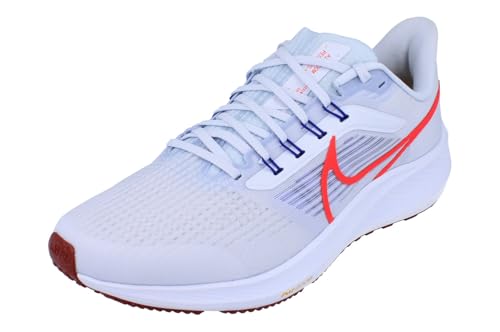 7 Best men’s running shoes without laces in 2026, Ranked
 7 Best Running Shoes for Tight Calves in 2026, Ranked
 7 Best Men’s Running Shoes with Wide Toe Box in 2026, Ranked
 7 Best Men’s Running Shoes Under 75 in 2026, Ranked
 7 Best Affordable Women’s Running Shoes in 2026, Ranked7 Best Men’s Running Shoes for Overpronation in 2026, Ranked