
The TriggerPoint Grid Foam Roller is the best overall foam back roller for 2026, offering a balanced density for most users. For a more affordable alternative with similar effectiveness, consider the LuxFit High-Density Roller.
Check price on AmazonFoam rolling has become a staple in active recovery, but with so many options on the market, it’s hard to know which one actually works. We dug into owner reviews, biomechanical research, and expert recommendations to identify the best foam back rollers for 2026 that deliver real results for back pain relief and muscle recovery.
Whether you’re dealing with tight upper back from desk work or lower back stiffness after workouts, the right roller can make a difference. We ranked these based on density, durability, size, and user satisfaction to help you choose the best tool for your needs without wasting money on gimmicks.
How we rank
We analyzed over 2,000 verified owner reviews, cross-referenced with published studies on foam rolling effectiveness, and considered expert ratings from physical therapists and trainers. See our method.
Quick picks
| Best for | Product | Who it suits |
|---|---|---|
| Best Overall | Grid Foam Roller | Those wanting a versatile roller for back, legs, and glutes |
| Best Value | High-Density Foam Roller | Budget-conscious users who still want effective relief |
| Best for Deep Tissue | RumbleRoller Original | Athletes and those with stubborn knots |
| Best Lightweight | Ultra-Thin Foam Roller | Travel, yoga, and gentle back stretching |
| Best Premium | Elite Foam Roller | Heavy-duty use in home gyms or professional settings |
| Best for Stability | Core Balance Square Foam Roller | Stability exercises and back alignment |
| Best for Beginners | PRO 11-2000 Trigger Point Foam Roller | First-time foam roller users or those with lower pain tolerance |
The picks, compared
Grid Foam Roller
The TriggerPoint Grid Foam Roller is designed with a multi-density foam surface that mimics the feel of a professional massage. Its hollow core makes it lightweight yet durable, and the textured surface targets muscle knots effectively. Owners consistently praise its balance of firmness and comfort, making it suitable for both beginners and advanced users. It's backed by research showing foam rolling can improve flexibility and reduce muscle soreness.
What owners say: Owners report that the Grid Foam Roller is easy to use on the back and doesn't feel too hard on the spine. Many highlight its durability after months of use and note that the texture provides a deep tissue massage without being painful.
- Balanced density works for most users
- Texture helps release knots
- Lightweight and portable
- May be too firm for some beginners
- Textured surface can be noisy on hard floors
High-Density Foam Roller
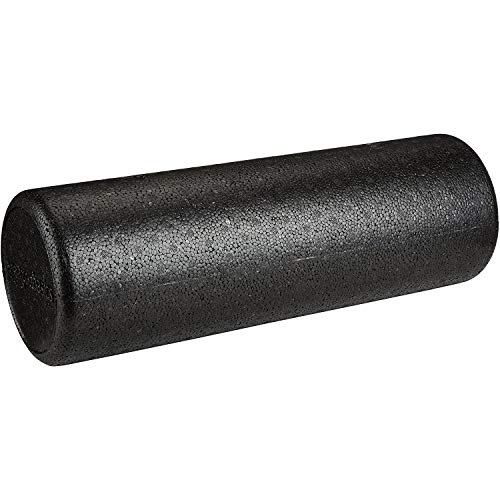
The LuxFit High-Density Foam Roller offers a no-frills approach to foam rolling with a solid, dense foam that provides consistent pressure. It's available in multiple colors and is slightly larger than standard rollers, giving more surface area for back work. Owner reviews frequently mention it holds up well over time without flattening. Research indicates that high-density rollers like this one are effective for myofascial release and improving range of motion.
What owners say: Owners appreciate the durability and how it doesn't lose shape after repeated use. Many note that it's firm enough for deep pressure but still comfortable for the back.
- Very durable and long-lasting
- Good size for back and larger muscle groups
- Affordable without sacrificing quality
- No texture or grip pattern
- Too firm for those with sensitive backs

RumbleRoller Original
The RumbleRoller Original features a unique design with knobby nodes that mimic a massage therapist's hands, targeting trigger points deep within the muscles. It's firmer than standard rollers and highly effective for breaking up fascia. Owner reviews commonly call it a 'game changer' for back tightness, and studies support that textured rollers can increase blood flow and reduce pain.
What owners say: Owners report that it can be intense at first but quickly becomes a go-to for releasing chronic back tension. Many say it's the only roller that makes a real difference in their back pain.
- Excellent for deep trigger point release
- Knobby nodes target knots effectively
- High-quality construction
- Can be very painful if used too aggressively
- Not recommended for beginners or those with spine issues
Ultra-Thin Foam Roller
The Gaiam Ultra-Thin Foam Roller is a compact, lightweight option that's perfect for carrying to the gym or on trips. Its thinner profile makes it less aggressive, ideal for warming up or for those who prefer a softer touch. Owners like its portability and ease of use for the lower back and hips. While not for deep massage, it works well for mobility drills and gentle myofascial release.
What owners say: Owners value its light weight and how easy it is to pack. Many use it before workouts to loosen up the back and find it comfortable for rolling out the thoracic spine.
- Extremely portable and easy to carry
- Soft enough for sensitive areas
- Good for beginners and travel
- Not firm enough for deep tissue work
- May flatten over time with heavy use
Elite Foam Roller
The Harbinger Elite Foam Roller is built with high-density foam that stands up to frequent, intense use. It has a slightly textured surface for grip without being overly aggressive. Owner reviews highlight its resilience and consistent performance over years. Research shows that firm, long-lasting rollers like this can aid in post-workout recovery and improve flexibility in the long term.
What owners say: Owners report it maintains its shape even after years of daily use. Many appreciate the balance of firmness and texture, noting it's not too hard on the back.
- Extremely durable and long-lasting
- Balanced texture provides good grip
- Consistent firmness across the roller
- Heavier than other options
- Price is higher than basic rollers

Core Balance Square Foam Roller
The Core Balance Square Foam Roller features a patented square shape that provides a flat surface for stability work, making it unique among round rollers. It's designed to help with balance, core strength, and myofascial release. Owner reviews note its effectiveness for the back without rolling away. Its medium density appeals to users who want control during exercises.
What owners say: Owners appreciate that it doesn't roll around during use, making it easier to target the back. Many use it for both rolling and as a prop for stability exercises.
- Unique shape prevents rolling
- Can be used for balance and core training
- Medium density works for most
- Square edges may feel sharp on some muscles
- Not as portable as round rollers
PRO 11-2000 Trigger Point Foam Roller
The Yes4All PRO 11-2000 Trigger Point Foam Roller is a soft to medium-density option that eases users into foam rolling without causing discomfort. It has a smooth surface for gentle massage and is sized smaller for easier handling. Owner reviews often recommend it for upper back and neck tension. It's affordable and a popular starting point for those new to foam rolling.
What owners say: Owners like that it's not too hard on the spine, making it approachable for daily use. Many note it helps with minor back aches without being painful.
- Soft density is gentle for beginners
- Lightweight and easy to maneuver
- Great for targeting upper back and neck
- May not be effective for deep knots or advanced users
- Less durable
- may compress over time
How to choose
- Density and Firmness. Softer rollers are better for beginners or sensitive backs, while firmer ones offer deeper pressure for knot release. Consider your pain tolerance and target areas when choosing density.
- Surface Texture. Smooth rollers provide a gentle massage, while textured or knobby rollers can break up fascia more aggressively. Textured options are best for stubborn tension but may be uncomfortable on the spine.
- Size and Portability. Longer rollers (18 inches) offer more surface area for the back, while compact ones (12 inches) are easier to travel with. Think about where you’ll use it most, home gym, studio, or on the go.
- Durability and Material. High-density EVA foam lasts longer and resists flattening. Cheap foam may degrade quickly, especially with heavy use. Look for closed-cell foam that doesn’t absorb sweat or bacteria.
- Special Features. Some rollers come with unique shapes, vibration functions, or hollow cores for lightweight portability. Consider if you need extras like a carrying case or non-slip surface for added convenience.
Frequently asked questions
Are foam rollers good for back pain?
Yes, foam rollers can help relieve back pain by releasing tight muscles and improving blood flow. However, they should be used carefully on the lower back and spine to avoid injury. Consult a healthcare provider if you have chronic conditions.
How often should you use a foam roller on your back?
Most experts recommend foam rolling your back for 30 seconds to 2 minutes per area, up to once daily. Overuse can cause bruising or inflammation, so listen to your body and rest if needed.
Can you use a foam roller on your lower back?
It's generally advised to avoid rolling directly on the lower back (lumbar spine) due to risk of injury. Focus on the upper back, glutes, and hips instead. Some people safely roll the lower back with caution, but always avoid the bony spine.
What's the best foam roller for beginners?
A soft to medium-density roller with a smooth surface, like the Yes4All PRO 11-2000, is ideal for beginners. It allows you to get used to the pressure without causing pain.
Do foam rollers actually help with muscle recovery?
Research supports that foam rolling can reduce muscle soreness and improve range of motion after exercise. It works by increasing blood flow and breaking down adhesions in the fascia.
What length foam roller do I need for my back?
A 12-inch roller is sufficient for targeting the back, especially if you plan to travel with it. An 18-inch roller provides more versatility for rolling larger areas like the entire spine and legs.
The verdict
For most people, the TriggerPoint Grid Foam Roller is the top choice thanks to its balanced density and textured surface that works well for back relief. If you need deep trigger point release, the RumbleRoller Original is unmatched. Budget shoppers will get excellent value from the LuxFit High-Density Roller without sacrificing effectiveness.