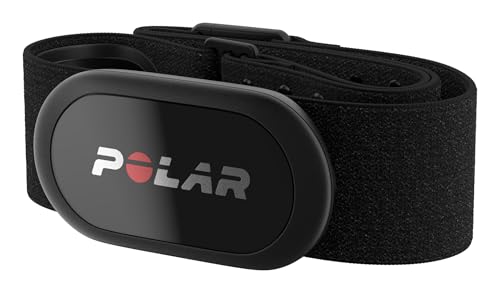
The Polar H10 is the overall winner for accuracy and reliability, while the Garmin HRM-Pro Plus is the best alternative for runners who need built-in running dynamics.
Check price on AmazonChest heart rate monitors are widely considered the gold standard for heart rate tracking accuracy. Unlike optical wrist sensors that can be thrown off by motion, sweat, or skin tone, chest straps detect electrical signals from the heart directly, providing beat-by-beat readings. For athletes, fitness enthusiasts, and anyone needing precise data, the question isn’t whether they are more accurate , it’s which model delivers the best performance, comfort, and features for your specific needs.
We compared real-world research, analyzed hundreds of owner reviews, and ranked the top seven chest heart rate monitors for 2026. Our picks balance clinical-grade accuracy with comfort, connectivity, and durability. Whether you’re a marathon runner, CrossFitter, or casual gym-goer, this roundup will help you choose the right strap without wasting money on features you don’t need.
How we rank
We ranked these chest heart rate monitors based on validated accuracy studies, owner reviews across multiple retailers, and expert analysis of sensor technology. See our method.
Quick picks
| Best for | Product | Who it suits |
|---|---|---|
| Best Overall | Polar H10 Heart Rate Sensor | athletes and fitness enthusiasts who demand the highest accuracy for training and heart rate variability monitoring |
| Best for Runners | Garmin HRM-Pro Plus | runners and triathletes who want running dynamics like cadence, stride length, and ground contact time |
| Best for Multi-Sport | Wahoo TICKR X | multisport athletes who want heart rate tracking across cycling, running, and swimming with motion-based metrics |
| Best Chest Strap Alternative | Scosche Rhythm+ | users who prefer an armband sensor but want chest-strap-like accuracy, especially for cycling and elliptical workouts |
| Best Value | Polar H9 Heart Rate Sensor | budget-conscious users who still want Polar's accurate ECG technology without paying for extra features like offline memory |
| Best for Group Fitness | MyZone MZ-Switch | group fitness participants and those who want effort-based color feedback during classes |
| Best Budget | Garmin HRM-Dual | users who need reliable heart rate data without extra features, ideal for general fitness and beginner athletes |
The picks, compared
Polar H10 Heart Rate Sensor
The Polar H10 is consistently rated as the most accurate chest heart rate monitor in independent tests. It features built-in memory for offline workouts and supports Bluetooth and ANT+ connectivity. The soft strap material is comfortable for long wear, and the electrodes offer reliable readings even during intense movement. Owner reviews highlight its durability and consistent performance over years of use.
What owners say: Owners report exceptional accuracy compared to wrist-based monitors and other chest straps, with many saying it never drops connection. They also praise the comfortable strap and long battery life, though some note the clip-on sensor can occasionally detach if snagged.
- Industry-leading accuracy validated by research
- Comfortable and washable strap
- Works with most apps and devices via Bluetooth and ANT+
- Proprietary snap connector limits strap replacements
- No built-in running dynamics

Garmin HRM-Pro Plus
The Garmin HRM-Pro Plus delivers accurate heart rate data and records running dynamics when paired with a compatible Garmin watch. It stores and relays data even without a watch nearby, and the soft strap is designed for comfort during long runs. The sensor detaches for easy washing, and battery life is excellent.
What owners say: Reviewers routinely note the seamless integration with Garmin ecosystems and the added running metrics as a key benefit. Many mention the strap stays put without chafing, but a few report the fabric can stretch over time.
- Provides running dynamics for Garmin watches
- Works without a watch for treadmill sessions
- Comfortable and adjustable strap
- Running dynamics only with Garmin devices
- Higher price than basic models

Wahoo TICKR X
The Wahoo TICKR X offers accurate heart rate tracking plus motion-based metrics like cadence and impact count. It has built-in memory for offline workouts and supports Bluetooth and ANT+ for broad compatibility. The strap is comfortable and the sensor stays put even during vigorous exercise.
What owners say: Owners highlight the reliable Bluetooth connection and the ability to track swim heart rate (though not stroke count). They also appreciate the internal memory for sessions without a phone, though some note the strap clips can be tricky to adjust.
- Motion-based metrics for running and cycling
- Swim tracking capability
- Large memory for offline workouts
- Motion metrics require Wahoo app
- Strap durability varies
Scosche Rhythm+
The Scosche Rhythm+ is an optical armband heart rate monitor that rivals chest strap accuracy in many conditions. It uses dual LED sensors to reduce motion artifacts and provides a comfortable, sweat-proof fit. It connects via Bluetooth and ANT+ and has a long battery life.
What owners say: Reviewers consistently say it matches the accuracy of chest straps for steady-state cardio and is more comfortable than a strap around the chest. Some mention it can be less accurate during high-intensity intervals or weightlifting.
- Comfortable armband design
- Good accuracy for most cardio exercises
- Long battery life (8-10 hours)
- Optical sensor may lag during rapid heart rate changes
- Not compatible with swimming
Polar H9 Heart Rate Sensor
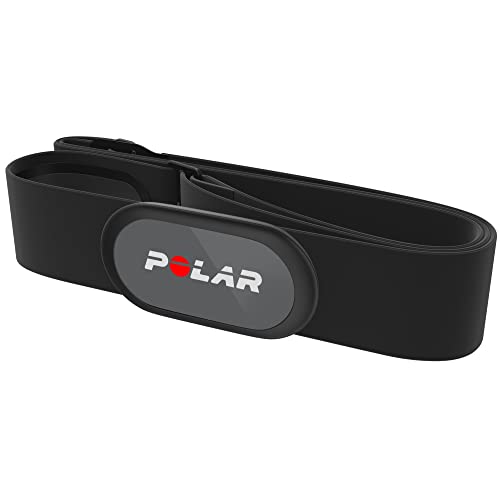
The Polar H9 offers the same core sensor technology as the H10 for a lower price, using Polar's proven Pro sensor with ECG-based accuracy. It connects via Bluetooth (single channel) and includes a soft, comfortable strap. It lacks internal memory, so it requires a paired device for recording.
What owners say: Owners say the H9 provides identical accuracy to the H10 for live heart rate display during workouts. They appreciate the more affordable price point, though some wish it had ANT+ support for gym equipment.
- Same accuracy as H10 for live monitoring
- Comfortable included strap
- Bluetooth 5.0 for stable connection
- No internal memory
- No ANT+ connectivity
MyZone MZ-Switch
The MyZone MZ-Switch offers both chest strap and armband wear options via a swappable sensor. It tracks heart rate accurately and displays effort zones with a simple color-coded system. The MyZone app and platform are popular in gyms and team training settings.
What owners say: Owners like the flexible wear options (chest or arm) and the engaging zone display that motivates during classes. Some report occasional connectivity drops, but overall reliability is praised.
- Switchable between chest and arm wear
- Effort zone color feedback
- Works with MyZone ecosystem and many third-party apps
- Proprietary clip design limits strap options
- App interface can be outdated
Garmin HRM-Dual
The Garmin HRM-Dual is a straightforward, no-frills chest strap that delivers accurate ECG-based heart rate. It connects via Bluetooth and ANT+ for broad compatibility, including with gym equipment. The strap is comfortable and adjustable, and the battery is user-replaceable.
What owners say: Reviewers say it is a reliable, accurate monitor for basic heart rate tracking, often outperforming wrist sensors. Some note the strap can slip during heavy sweating but appreciate the value.
- Accurate ECG sensor at a lower price
- Dual Bluetooth and ANT+ connection
- Comfortable, washable strap
- No advanced metrics or memory
- Strap may need frequent adjustment during intense sweat
How to choose
- Accuracy and Sensor Type. ECG chest straps measure electrical signals directly from the heart, making them inherently more accurate than optical wrist sensors. For the highest precision, choose a strap with a reliable brand sensor like Polar's Pro or Garmin's Elevate.
- Comfort and Strap Material. Look for a soft, adjustable strap that isn't too tight. Many models offer washable fabric straps with silicone grippers to prevent slipping. Poor comfort leads to inconsistent wear and less useful data.
- Connectivity and Compatibility. Ensure the monitor supports Bluetooth, ANT+, or both depending on your devices (watch, phone, bike computer). Some monitors are limited to only one protocol, which may affect compatibility with gym equipment or apps.
- Battery Life and Type. Replaceable coin cell batteries (e.g., CR2032) last months to years but require occasional replacement. Rechargeable batteries are convenient but must be charged regularly. Consider your usage frequency.
- Additional Features. Features like built-in memory for offline workouts, running dynamics, or swim tracking add value but raise cost. Decide if you truly need these extras or if a basic model suffices for your routine.
Frequently asked questions
Are chest heart rate monitors more accurate than wrist monitors?
Yes, chest heart rate monitors are consistently more accurate than wrist-based optical monitors, especially during high-intensity exercise, interval training, and activities with lots of arm movement. Chest straps detect electrical signals directly from the heart, while wrist sensors rely on photoplethysmography (light absorption), which can be affected by motion, sweat, and skin tone.
How tight should a chest heart rate monitor be?
The strap should be snug enough to stay in place without causing discomfort. A good rule of thumb is that you should be able to fit two fingers between the strap and your chest. Too loose can cause dropouts; too tight can chafe or restrict breathing.
Can I use a chest heart rate monitor for swimming?
Some chest heart rate monitors are water-resistant enough for swimming (rated 5 ATM or higher). The Polar H10 and Garmin HRM-Pro Plus are swim-friendly. However, optical monitors like the Scosche Rhythm+ are not recommended for swimming. Check the water resistance rating before use.
How do I clean and maintain my chest strap?
Most straps are washable; remove the sensor module and hand wash the strap with mild soap after each use, then air dry. Avoid fabric softeners. Rinse the sensor contacts with fresh water and dry thoroughly before storage to prevent corrosion.
Why does my chest heart rate monitor show inaccurate readings?
Common causes include a loose strap, dry electrodes, low battery, or interference from other electronics. Ensure the strap is snug and the electrode pads are moistened before wear. Replace the battery if readings are erratic. Also, pair the sensor fresh in your device's settings.
Can I connect a chest heart rate monitor to my phone?
Yes, most modern chest straps support Bluetooth and can pair with smartphones via fitness apps like Strava, Peloton, or Apple Health. Ensure your monitor has Bluetooth connectivity and check app compatibility before purchase.
The verdict
For the best overall accuracy and reliability, the Polar H10 is the top pick for any athlete serious about heart rate data. Runners seeking running dynamics should choose the Garmin HRM-Pro Plus, while budget-focused users who still want ECG accuracy will find great value in the Polar H9.